
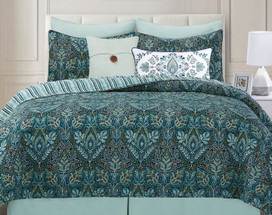
Getting your bedroom to feel just right takes more than a coat of paint and a pretty lamp. Your bedding does a lot of the heavy lifting. And yet, when it comes time to actually shop for it, most people don't really know where to start.
What are the parts of a bed set? What's the difference between a quilt and a comforter? What's the right material? It can get confusing fast.
This guide walks you through the different types of bedding, how to build your layers and what to think about when you're shopping. No fluff (well, maybe a little fluff; it is bedding).
What Is Bedding, Exactly?
Bedding is everything that goes on your bed. That includes your sheets, your top layers like quilts or comforters, your pillowcases, shams, bed skirts and any throws you toss on top.
People use the word "bedding" to mean all of it together, or just the decorative parts. Either way, the components of bedding work together to make your bed comfortable to sleep in and nice to look at during the day.
The Basic Parts of Bedding
If you're starting from scratch or just trying to figure out what you're missing, here's what makes up a complete bed:
- Mattress Protector or Pad: This goes on first, right over the mattress. It protects against spills and wear, and a good one adds a little cushion, too. Most people skip this one until they ruin a mattress. Don't skip it.
- Fitted Sheet: The sheet that wraps around the mattress. This is what you actually sleep on. You want it to fit snugly so it doesn't come loose in the night.
- Flat Sheet: The flat sheet goes over you. Some people love it, some skip it entirely. If you run warm, it's nice to have the option to throw off the comforter and stay cool under the top sheet. It also keeps your top layers cleaner longer.
- Pillowcases: These cover your sleeping pillows. Simple, but they matter. You're putting your face on them every night.
- Top Layer – Quilt, Comforter or Duvet: This is your main warmth layer. A quilt is typically flatter and lighter. A comforter is fluffy and filled. A duvet is a shell you stuff with an insert. More on these below.
- Decorative Pillows and Shams: Shams are pillow covers that are meant to look good, not sleep on. There are several shapes: the most common is shaped to fit a bed pillow insert that fits the width of your bed best. Another option is a Euro sham, and it is generally quite large and square, propped against the wall or headboard, providing the tallest base layer for all your other pillows. Decorative pillows add style and personality.
- Bed Skirt: A bed skirt hangs from the box spring to the floor and hides the space under the bed. It also just finishes off the look of the whole bed really nicely.
- Throw: A throw is that small, cozy blanket folded at the foot of the bed. It's not just decorative. You'll actually use it for chilly nights or afternoon naps on the couch.

Kinds of Bedding: Top Layer Options
This is where a lot of the confusion happens. Here's how the main kinds of bedding stack up:
Quilts
A quilt is made of layers of fabric and a thin lining stitched together, usually with a decorative pattern on top. They're flatter than comforters and tend to run lighter weight. Great for warmer months, layering or if you just like a tidier-looking bed.
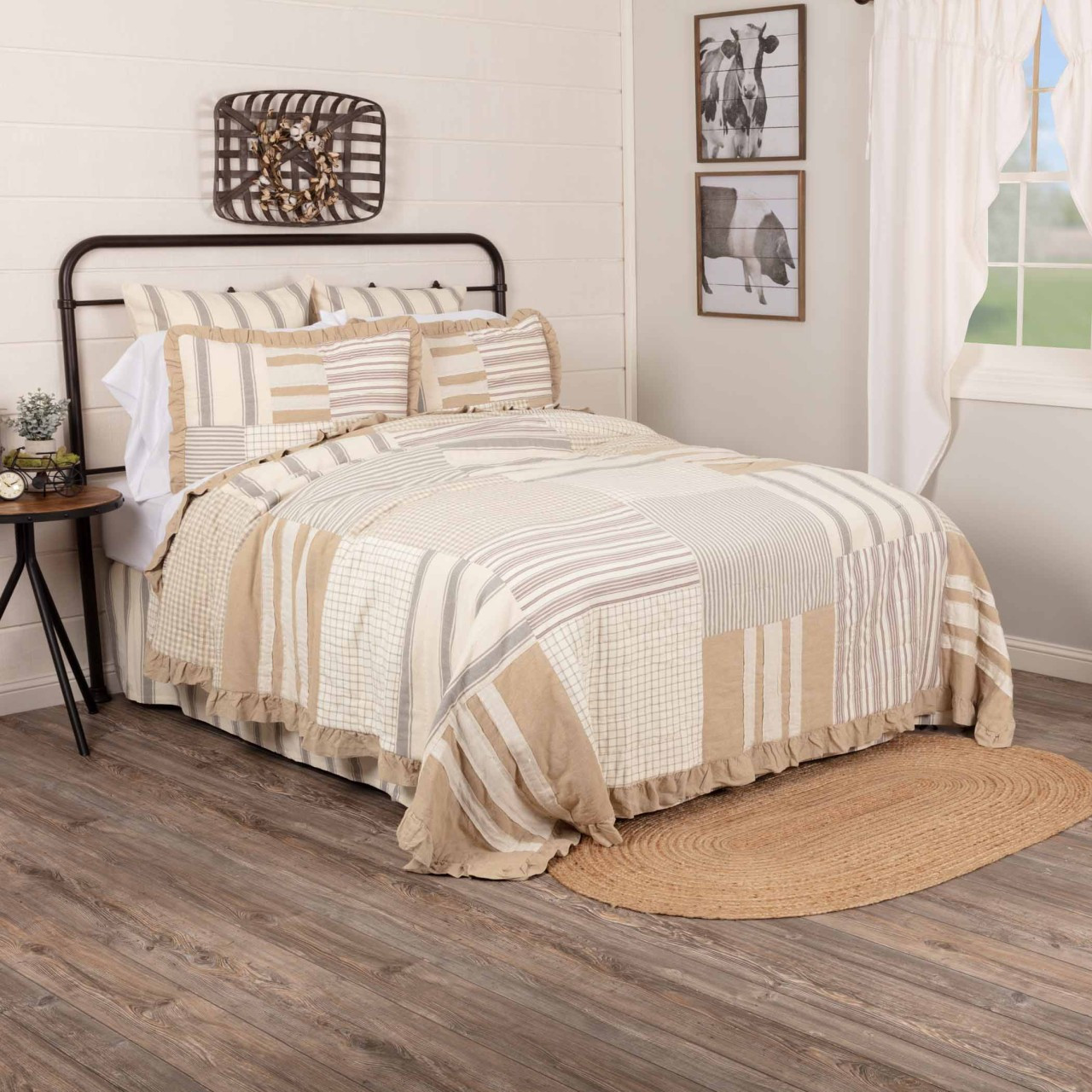
Country-style and farmhouse-style quilts are especially popular because the patchwork patterns and classic designs fit so naturally with that cozy, lived-in look. At Country Village Shoppe, quilts are one of the most loved bedding types, and it's easy to see why once you try them.
Comforters
Comforters are thick, fluffy and filled with either down or a synthetic alternative. They're one-piece, so they're easy to use. So, no extra covers needed. If you want something warm and soft that looks full and cozy on the bed, a comforter is a great pick.
Duvets
A duvet is a two-piece system: a soft cover (the duvet cover) and an insert that goes inside it. The cover is removable and washable, which is a big practical plus. The style can change completely just by swapping covers. Good option if you like to update your bedroom look without replacing everything. It is becoming more and more common for people to choose to forgo a top sheet in lieu of a duvet with a cover that gets laundered each week.
Coverlets
Lighter than a comforter and more finished-looking than a quilt, a coverlet typically goes over the sheets and blankets as a decorative layer. It hangs lower on the sides of the bed and works really well in layered bedding looks. It’s especially nice in warmer climates.
Different Styles of Bedding
Once you know the types, the next step is figuring out the style. Here are some of the most popular ones:
- Farmhouse: Lots of natural textures, stripes, plaids and simple patterns. Warm and homey without being fussy. Buffalo check, ticking stripe and grain sack prints all fall into this category.
- Country: Similar to farmhouse, but with more homespun vintage motifs and classic quilting square patterns with floral and calico, plaids, and check patterns. Feels like your grandmother's spare room in the best possible way.
- Cottage: Soft, romantic and light. Think florals, pastels and delicate patterns. Very pretty for a bedroom that gets a lot of natural light.
- Primitive: Earthy and simple. Dark colors, early American patterns and sturdy-looking fabrics. This style feels grounded, homespun and unpretentious.
- Coastal: Ocean toned blues,, whites, sandy neutrals. Relaxed and breezy. Works really well in guest rooms or beach houses.
- Lodge: Deep colors, plaids, nature-inspired motifs. Think flannel and pine trees. Very cozy for a cabin feel or a cold-weather bedroom refresh.

Bedding Essentials: What You Actually Need
There's the full picture, and then there's what you really need to have a functional, comfortable bed. Here are the bedding essentials to prioritize:
- A fitted sheet that fits your mattress depth
- Pillowcases (or shams plus pillowcases or Euro inserts if you want the layered look)
- A top layer you'll actually use: quilt, comforter or duvet
- A flat sheet, especially if you like having that option
Everything else: the bed skirt, the throw, the decorative pillows add to the look and feel of the room, but you can add those over time. Start with what keeps you comfortable at night, then build out the style from there.
How to Buy Sheets: What to Look For
Sheets feel very personal. What one person loves, another finds unappealing. But here are a few things that make a real difference:
Thread Count: Thread count is how many threads are woven into a square inch of fabric. Higher isn't always better. Somewhere between 200 and 400 is a solid range for most people. Above that, you're not necessarily getting better quality, just a softer hand and a less long-lasting fabric as the thread that makes up the weave is very delicate.
Material: This matters more than thread count. Cotton is breathable and durable. Percale cotton is crisp and cool. Sateen cotton is smoother and a little shiny. Linen is very breathable, but takes some washing to soften up. Flannel is cozy for winter. Knit is very soft but is hard to keep from looking rumpled.
Fit: Check the pocket depth. If you have a thicker mattress or even a mattress topper, standard sheets might not stay on. Look instead for sheet sets that list deep pockets as a feature.
Care: Look at the washing instructions before you buy, especially for decorative pieces. Some fabrics need special care. If you're not into that, stick with something easy to toss in the machine. Know that in general, washing your decorative pieces very often will likely lessen their useful lifespan.
What Is Bedding Made From? Best Materials to Know
The material your bedding is made from affects how warm it is, how it feels and how long it lasts. Here's a quick look at the most common ones:
- Cotton: The go-to for a reason. Breathable, durable, softens with washing. Works year-round.
- Linen: Very breathable and great for hot sleepers. Gets softer over time. Wrinkles easily, which some people love and others don't.
- Microfiber: Soft, affordable, easy to care for. Doesn't breathe as well as natural fibers, so it can run warm.
- Flannel: Brushed cotton that feels warm and cozy. Great in winter, but too warm for summer in most climates.
- Down and Down Alternative: Used in comforter filling and duvet inserts as well as pillow inserts. Down is natural and very warm. Natural down comes in several grades, with eiderdown being the most rare and desirable, followed by goose down and then the most affordable, duck down. Down alternative, which mimics the feel of down filling, is synthetic, hypoallergenic and often less expensive.
For quilts and more decorative bedding pieces, cotton and cotton blends are by far the most common, and for good reason. They hold color well and hold up through lots of washing.
Building a Layered Bedding Look
One thing that makes a bedroom look really put-together is layered bedding. It doesn't have to be complicated. A few pieces stacked well look intentional and cozy at the same time.
A simple approach that works: fitted sheet, flat sheet, cased sleeping pillows, quilt, a couple of sleeping pillows in shams, and a throw folded at the foot of the bed. That's it. Add decorative pillows if you like them, skip them if you don't.
Mixing textures works well in country and farmhouse styles. A cotton quilt over a linen sheet with a chunky knit throw hits the right note without trying too hard.
How Often Should You Replace Bedding?
Sheets wear out faster than most people expect. Plan to replace them every 2 to 3 years with regular washing. If yours are already pilling, thinning or just not feeling soft anymore, that's your sign to move on.
Pillows are worth replacing more often than you'd think. Every 1 to 2 years is a good target. A quick test: fold your pillow in half and let go. If it doesn't spring back, it's done. A flat pillow isn't doing your neck any favors.
Quilts and comforters hold up much longer. With decent quality and regular use, you can get 5 to 10 years out of them. Wash them as the label directs and store them loosely with some airflow so they don't get packed down and stale.
Decorative pillows and shams don't have a hard timeline. Just go by how they look. When they start looking flat, faded or frumpy, it's time for something fresh.
Throws are pretty durable. Take care of them and they'll last for years. Wash according to the label, don't toss them in a hot dryer and they'll keep looking good.
Bedding Basics for a Country-Style Bedroom
If you're going for that warm, cozy country look, a few bedding basics make all the difference:
- A patchwork or solid quilt with classic country colors (navy, burgundy, sage, cream)
- Coordinating shams to pull the look together
- A bed skirt to give the bed a finished look
- A throw in a complementary pattern or texture at the foot
- Decorative pillows in fabrics that echo the quilt's pattern or palette
The beauty of country-style bedding is that it doesn't have to be perfect or matchy-matchy. Patterns can mix. Colors can layer. It's supposed to feel lived-in and welcoming.
You don't have to overhaul everything at once. Start with the pieces that matter most for your comfort, then add the decorative layers as you go. Pick a style that feels like you. And don't overthink it. A bed that feels cozy and looks like home is always the right answer.
Take a look at the bedding collections at Country Village Shoppe and see what speaks to you. There's a lot to love.
FAQs
How do you know what kind of bedding to get?
Start with your climate and how warm you sleep. Hot sleepers do better with lighter quilts and breathable cotton. Cold sleepers usually want a heavier comforter or layered quilt and blanket. Then think about the style of your room and whether you want something mostly decorative or very practical. From there, it's really about what you're drawn to.
What are essential bedding layers?
The true essentials are a fitted sheet, pillowcases and a top layer (quilt, comforter or duvet). Everything beyond that – flat sheet, bed skirt, throw, decorative pillows or shams – adds to the look and comfort, but isn't strictly required.
How often should you replace bedding?
Sheets every 2 to 3 years, pillows every 1 to 2 years, and quilts or comforters every 5 to 10 years. Replace sooner if things start to pill, thin out or lose their shape. Decorative pieces can go longer with good care.
What is the best material for bedding?
Cotton is the most popular for good reasons. It's breathable, durable and gets softer with washing. For sheets, percale cotton is crisp and cool, while sateen is smoother and slightly warm. For inserts, down is very warm and lofty, while down alternative works well for people with allergies. Linen is great for hot sleepers who don't mind the texture.
What should you look for when buying bedding?
Look at the material first, then thread count (200 to 400 is a good range for sheets). Check that sheets fit your mattress depth. Read the care instructions, especially for decorative pieces. And pay attention to how a piece coordinates with what you already have, so you're not starting over every time you add something new.