

Your country bedding does more than just cover your bed; it makes your whole bedroom feel warm and inviting. Quilts, shams and comforters bring color, texture and charm, but they need the right care to stay looking their best. Wash them the wrong way, and you risk fading colors, fraying fabrics or even damaging embroidery and patchwork.
At Country Village Shoppe, our quilts, shams and country bedding sets are made to last, but a little care goes a long way. Knowing how often to wash your pillows, quilts and comforters, and how to do it safely, keeps your bedding soft, bright and cozy for years.
In this post, we’ll walk through everything you need to know—from how often to wash your country bedding to prepping it for cleaning, the safest washing methods, drying tips and proper storage. Plus, we’ll answer the common questions people have about caring for their favorite country bed linens.
How Often Should You Wash Your Country Bedding?
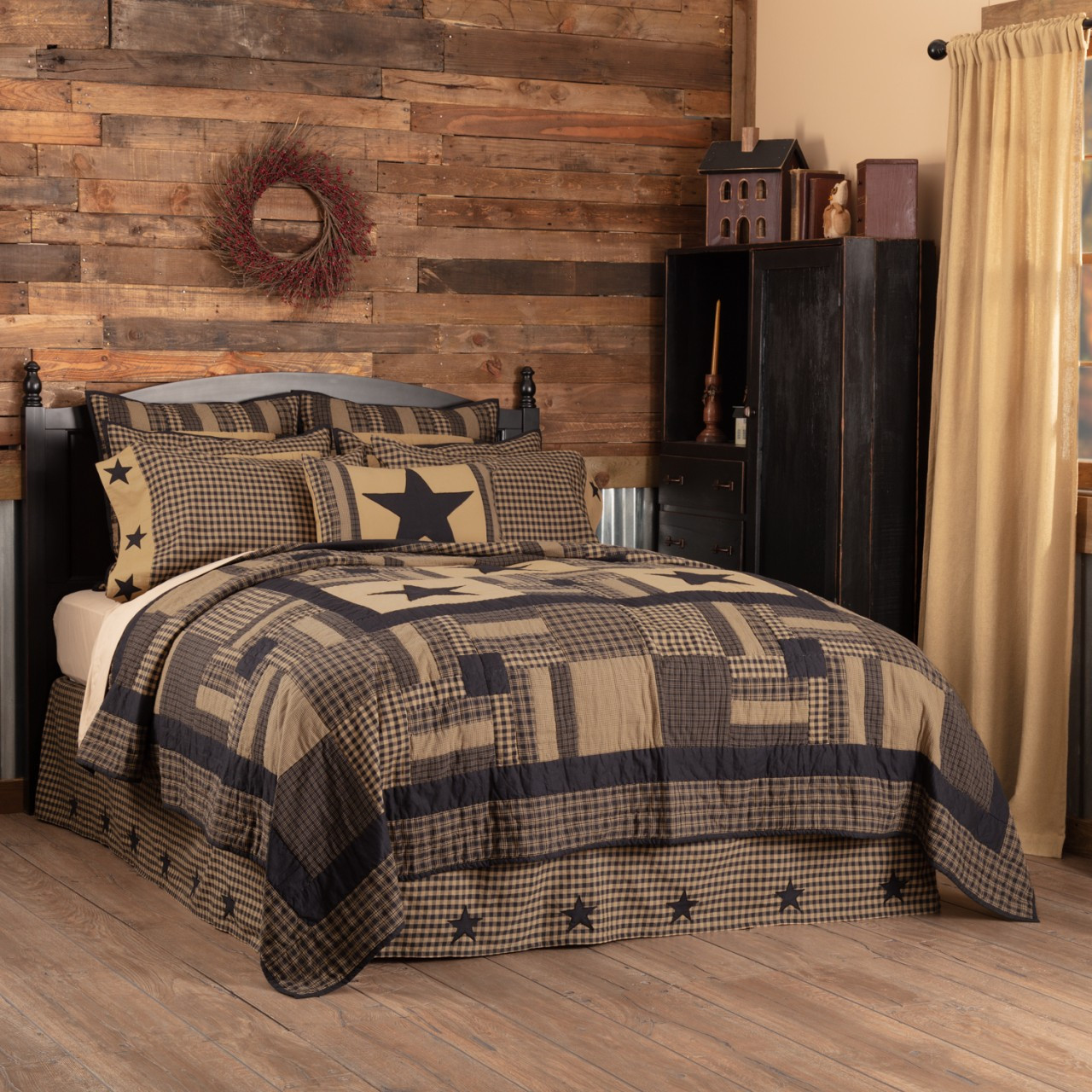
Keeping country bedding clean is about hygiene. It also protects the fabrics, colors and delicate details that make quilts, shams and comforters so special. Regular care helps prevent buildup of dust, body oils and allergens, while keeping your bedroom fresh and cozy.
- Pillow Shams (Used for Sleeping): These get the most contact with skin, sweat and oils, so washing them once a week keeps them fresh and clean.
- Decorative Pillow Shams: Since these are mainly for display, washing them two to four times per year is enough to keep them looking bright without over-washing.
- Quilts & Comforters: Country quilts and comforters are built to last. Like the decorative pillow shams, washing them two to four times a year helps maintain their colors, fabrics and intricate details.
- Country Bed Sheets: Sheets take the brunt of daily use, so plan to wash them every one to two weeks to stay comfortable and clean.
- Mattress Protector: These don’t get dirty as quickly, but washing them every month or two prevents dust and allergens from building up.
Following these simple schedules keeps your country bedding soft, cozy and full of charm for years to come.
Preparing Your Quilts and Shams for Cleaning
Before washing any quilt, comforter or pillow sham, a little preparation goes a long way in keeping your country bedding looking its best. Start by checking the care label. Country Village Shoppe clearly marks each quilt and sham with guidance on water temperature, washing method and drying instructions, making it simple to follow the safest approach.
Next, inspect your bedding for any damage. Look at seams, patchwork and embroidery for loose threads or small tears. Fixing minor issues before washing prevents them from getting worse and protects the intricate details that make country bedding so special. Be sure to remove pillow inserts from shams before laundering.
Spot-treating stains is another key step. Gently dab spills or body oils with a mild detergent or quilt-safe stain remover, taking care not to rub too hard on embroidery or delicate fabrics. For colorful country quilts and shams, it’s wise to test for colorfastness first. Lightly apply a damp cloth to a small hidden area to make sure the dyes won’t bleed in the wash. Lastly, turning shams inside out (and rebuttoning the opening for the insert) before washing will further protect the fabric from friction in the washer. These simple steps help your quilts, shams and comforters stay vibrant, soft and ready for many cozy nights.
How to Wash Your Country Quilts and Comforters
Taking care of quilts and comforters doesn’t have to be intimidating. Choosing the right washing method makes all the difference in keeping fabrics soft, colors bright and delicate details intact.
Machine Washing Country Bedding
For most modern quilts and comforters, a large-capacity, front-loading washing machine works best. Agitator machines can snag stitches, so avoid them when possible. Use a mild, color-safe detergent and skip bleach to protect fibers and embroidery. Cold water on a gentle cycle helps maintain colors and fabric integrity, and it’s best to wash each quilt or comforter alone or with similar-weight items. Adding half a cup of vinegar to the rinse cycle can naturally soften fabrics and keep colors looking fresh.
Hand-Washing Delicate or Heirloom Quilts
Some quilts deserve extra care, especially antique, embroidered or patchwork pieces. Fill a clean bathtub with cold water and a gentle detergent, then submerge the quilt and lightly agitate by hand. Rinse thoroughly until the water runs clear. Avoid wringing or twisting the quilt; gently press or squeeze out water to prevent stretching or damage. Hang to dry.
Protecting Embellishments
Quilts and shams with embroidery, lace or applique need special attention. Turning items inside out or using a mesh laundry bag can shield delicate areas during washing. Spot-cleaning heavily decorated sections is often safer than a full wash, and harsh chemicals should be avoided, as they can weaken threads and fabrics. Following these steps keeps each quilt or comforter looking beautiful while extending its life for years of cozy use.
Drying Your Country Quilts and Pillow Shams
Drying is just as important as washing when it comes to keeping quilts and pillow shams in top shape. For machine drying, use a low or no-heat setting to protect fabrics and colors. Adding wool dryer balls or clean tennis balls helps keep comforters and quilts fluffy while preventing the filling from clumping. Check items periodically and reposition them as needed to make sure they dry evenly.
Air drying is a gentle option that works for any quilt, especially delicate or heavily embroidered pieces. Lay your quilt flat on a clean sheet, over a railing, or on a drying rack, keeping it out of direct sunlight to prevent fading. If hanging on a clothesline is necessary, drape the quilt over multiple lines or bars so the weight is distributed evenly and the fabric doesn’t stretch.
Country Village Shoppe quilts and pillow shams are built to last, but following these drying steps keeps them soft, vibrant and cozy for years. Proper drying not only preserves the look and feel of your bedding but also helps maintain the quality of every stitch, patch and decorative detail.
Storing Your Country Bedding Safely

Proper storage helps quilts, comforters and pillow shams stay fresh and cozy for years. Before putting them away, give each piece a thorough wash to remove body oils, dust and any stains that could set over time.
Once clean, store your country bedding in breathable cotton or muslin bags. Avoid plastic bags or containers, which can trap moisture and lead to mildew or odors. Choose a cool, dark and dry spot like a closet or under-bed storage to protect fabrics and colors from fading.
To keep your quilts and comforters looking their best, take them out every few months and refold along different lines. This prevents permanent creases and helps maintain the soft, comfortable feel that makes country bedding so inviting. Following these simple steps keeps Country Village Shoppe quilts, shams and bedding sets in top shape for years of cozy nights.
Taking a little extra time to wash, dry and store your quilts, shams and comforters the right way keeps them soft, vibrant and full of charm for years. With simple care steps, your country bedding stays comfortable, healthy and ready for cozy nights.
Explore the full collection of quilts, shams and country bedding sets at Country Village Shoppe to find pieces that are made to last and designed to make every bedroom feel warm and inviting.
Frequently Asked Questions About Country Bedding Care
How Often Should Pillow Shams Be Washed?
Pillow shams used for sleeping should be washed about once a week to keep them fresh and free of body oils, sweat and dust. Decorative pillow shams can be washed two to four times per year since they see less contact. Following this simple routine helps your country bedding stay soft, vibrant and cozy.
Are You Supposed to Wash Quilts?
Yes, quilts should be washed, but care is important, especially for handmade or patchwork quilts. Use a large, front-loading washing machine without a central agitator to prevent snags, or hand-wash delicate pieces. Always check the care label first, and avoid harsh detergents or bleach that can weaken fabrics and fade colors.
How Often Should You Wash Bed Quilts?
For most country quilts and comforters, washing two to four times a year is usually enough. Quilts can also be washed before storing them for the season. This schedule keeps fabrics, stitching and embellishments in good condition while maintaining the quilt’s durability and appearance.
How to Wash a Quilt?
Quilts can be cleaned by machine or by hand, depending on the material and construction. Machine wash in cold water on a gentle cycle with a mild, color-safe detergent, and wash alone or with similar-weight items. For delicate or heirloom quilts, fill a clean bathtub with cold water and mild detergent. Gently agitate by hand and rinse thoroughly. Never wring or twist; press or squeeze out water gently. Hang to dry.
Can You Wash a Quilt in a Washing Machine?
Yes, quilts can be machine-washed if done carefully. Use a front-loading, large-capacity machine without an agitator, choose a gentle cycle and wash in cold water with mild detergent. This protects stitching, patchwork and embroidery while keeping your quilt clean and fresh.
What Happens if You Don’t Wash Your Bedding Often Enough?
Skipping regular washing can lead to a buildup of dust, allergens, bacteria and body oils. This may cause room odors, itchy skin, allergic reactions, acne and other irritations. Keeping pillow shams, sheets, quilts and comforters clean not only protects your bedding but also contributes to a healthier, more comfortable sleep environment.