
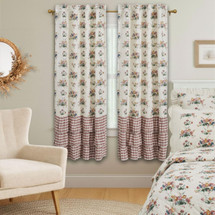
Ever stood in a room and felt like something was missing, even after everything was in place?
You might have forgotten about curtains. Curtains are often the piece that pulls everything together. They do a lot more than cover a window, too. They shape the way light moves through a space, give you privacy when you need it, and completely change how a room feels without any major updates or renovations.
The tricky part is knowing where to start. There are so many different types of curtains, fabrics and lengths to choose from, and it can feel really overwhelming fast. But once you understand the basics of how to pick curtains, everything gets a lot simpler.
This curtain buying guide will walk you through what actually matters, from measuring and sizing to styles, materials and how to choose what works in each room. It’s all about helping you feel confident when shopping so you can find curtains that fit your space, your needs and your style.
What Are Curtains? Understanding the Basics First
We get it, this seems like a silly question. Everyone knows what curtains are, right? But once it comes time to actually buy them, things get a little less obvious.
Curtains are simply fabric panels that hang over windows, but they do more than most people realize. People think of them as ways to give themselves privacy. They do that, but curtains also help control how much light comes into a room and add warmth and style to a space. What about drapes? Are they the same thing? Not exactly. Drapes are often used to describe heavier, more structured fabrics that block out more light and feel a bit more formal, while curtains tend to be lighter and more flexible in everyday use.
You’ll see curtains in every part of the home, just used a little differently depending on the space. Bedrooms usually need more coverage for sleep and privacy, living rooms focus on balancing light with style, and kitchens or bathrooms often use shorter, lighter options that keep things bright. Once that basic difference is clear, it gets a lot easier to figure out what actually works and avoid the usual guesswork when picking out curtains.

Types of Curtains (and When to Use Them)
Curtains come in more styles than most people expect, and the right choice usually comes down to how a room is used and the kind of feel you want to create. Some styles are light and decorative, some are practical for everyday use, and others are more about making a statement. Once the main types are broken down, it becomes a lot easier to figure out what actually fits each space.
Light & Decorative Curtain Styles
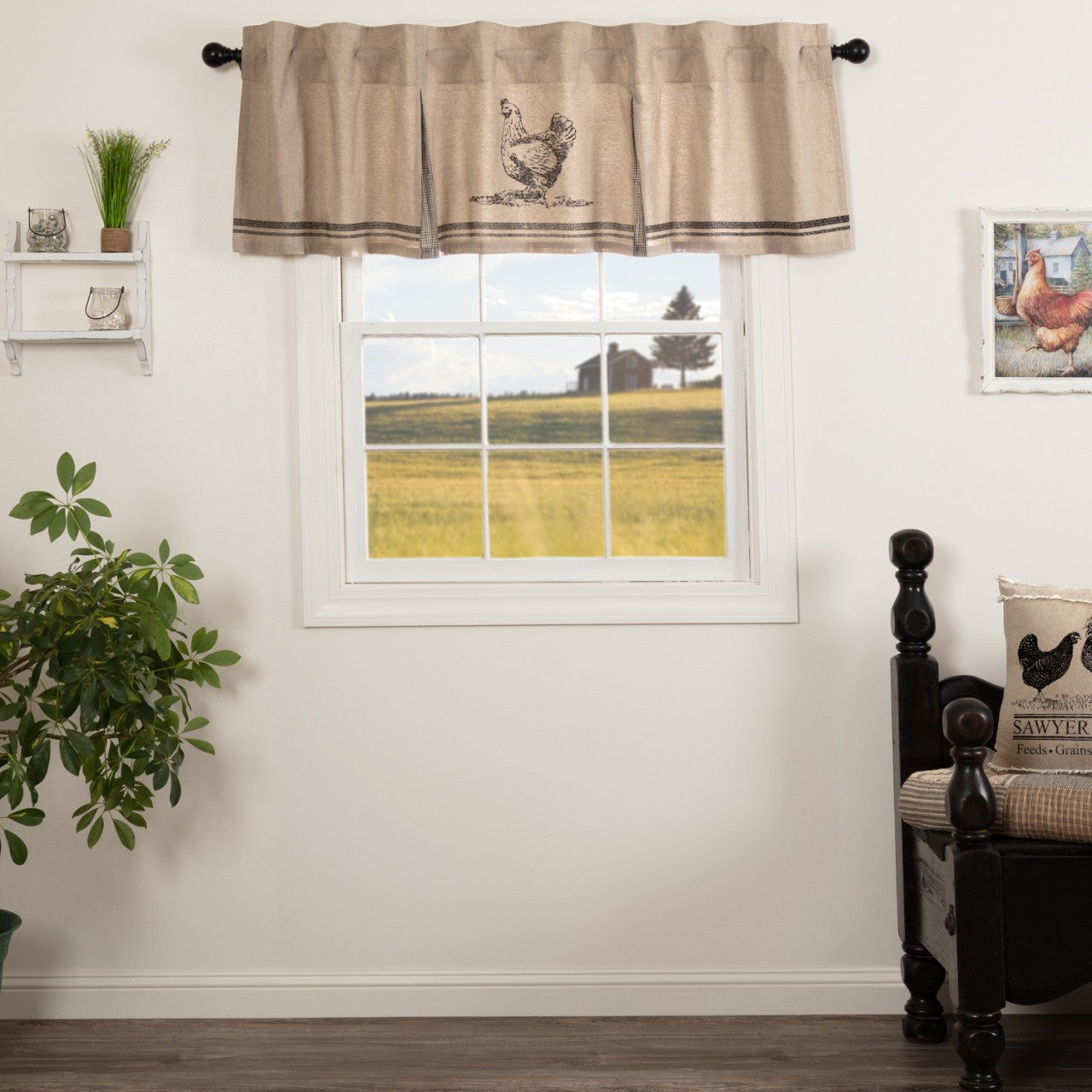
Some curtain styles are meant to add charm more than full coverage. Valances are a great example since they sit at the top of the window and give a finished, styled look without blocking light. Lace curtains bring in soft natural light while still adding a bit of privacy, and swag curtains create that relaxed, draped look that adds visual interest without feeling heavy. These tend to work well in spaces where natural light is a priority, like kitchens or sitting areas.
Casual, Everyday Curtain Options
This is where most homes land day to day. Curtain panels are the go-to for a reason since they work in almost any room and come in just about every fabric and pattern. Tier curtains are especially common in kitchens and bathrooms since they cover the lower half of a window while still letting light in from the top. Prairie gathered curtains bring in that soft, farmhouse feel that works well in cozy, lived-in spaces where texture matters just as much as function.
Statement & More Formal Style Curtains
Some curtain styles are meant to stand out a bit more. Fishtail swags add a more elegant, structured look that works nicely in formal living rooms or spaces where design details matter. Layered styles, like pairing panels with valances or swags, give more depth and flexibility since they combine both function and decoration. These styles are especially helpful in rooms where light control and design both matter and you don’t want to choose just one.
Curtain Fabrics: How Material Changes Everything
Curtain fabric changes how a room feels, how much light comes through and even how much privacy you actually get. Lightweight fabrics like lace or linen blends let in soft natural light and keep things airy and relaxed, which works well in spaces where a light, open feel is the goal.
Medium-weight fabrics tend to be the most flexible option since they strike a nice balance between privacy and light control. They’re often a solid choice for everyday spaces like living rooms, where you want things to feel comfortable without blocking everything out. On the heavier side, blackout or thermal fabrics are built for function first. They help block light, add insulation and make bedrooms feel more restful and private, especially at night.
Fabric choice also affects how curtains hold up over time and how much upkeep they need. Lighter fabrics can feel more delicate, while heavier ones tend to hang more structured and last longer in high-use spaces. Matching fabric to the room makes a big difference, too. Bedrooms usually benefit from heavier options, living rooms tend to do well with something in the middle and kitchens often feel better with lighter, easygoing fabrics that keep things bright.
Curtain Lengths and Sizes Explained
Curtain length and sizing make a bigger difference than most people expect. It’s one of those details that can completely change how finished a room looks, even if the fabric and color are perfect. Getting familiar with standard curtain lengths and how sizing actually works helps take a lot of the guesswork out of how to pick curtains that fit a space properly.
Common Curtain Lengths
Curtains usually come in a few standard lengths, and each one works best in different parts of the home.
- Sill length: Stops right at the window sill and works well in kitchens or smaller spaces
- Below-sill length: Drops a bit below the window for a more relaxed, casual look
- Floor length: The most common choice for living rooms and bedrooms, since it feels clean and finished
- Puddled length: Extends onto the floor for a more decorative, styled look that feels a bit more dramatic
Curtain Sizes and Why Width Matters
Length is only half the story. Curtain width is what gives curtains that full, finished look most people are hoping for. A good rule to follow is to choose curtains that are 1.5 to 2 times the width of the window. This gives the fabric enough room to gather nicely when the curtains are closed and keeps them from looking too tight or flat.
For example, if your window is 40 inches wide, the total curtain width should be between 60 and 80 inches. That could mean using two 40-inch panels for a fuller look. This simple guideline takes a lot of the guesswork out of curtain sizes and helps ensure the curtains look balanced and substantial.
A few common mistakes pop up here: choosing panels that are too narrow, picking curtains that hover awkwardly above the floor, or not accounting for fullness when measuring. Thinking in terms of total coverage, rather than just the exact size of the glass, usually leads to a much more polished result.
How to Measure for Curtains (Step-by-Step Guide)
Measuring for curtains can feel a little intimidating at first, but once it’s broken down, it’s actually pretty straightforward. Getting this part right is what makes curtains look custom instead of just “hung up,” so it’s worth slowing down for. A few simple steps can take a lot of the guesswork out of how to measure for curtains and help avoid common sizing issues.
Measuring Width the Right Way
Start with the width of the window, but don’t stop there. Curtain rods should extend a bit past each side of the window frame so the curtains can fully open without blocking the glass. This also makes the window look wider and more balanced. A good rule is to measure the window first, then add extra space on both sides for the rod placement.
Getting the Length Just Right
Length should always be measured from where the curtain rod will sit, not from the top of the window frame. That small detail makes a big difference in how accurate the final result is. From there, it comes down to where the curtains are meant to fall. Some people prefer them to stop right at the sill, others like a clean floor-length look and some go slightly longer for a softer touch on the floor.
Simple Placement Tips That Make a Big Difference
A couple of small choices can really change the final look. Hanging the rod higher than the window frame can make ceilings feel taller and the whole room feel more open. Extending the rod wider than the window can also make the window itself look larger. This also lets more natural light in when the curtains are open. These little adjustments often matter just as much as the curtain style itself.

How to Pick Curtains for Each Room
Every room in a home needs something a little different when it comes to curtains, and that’s usually where the confusion starts. Once it’s broken down room by room, it becomes much easier to figure out how to pick curtains that actually work for everyday life, not just how they look in a store.
Bedroom Curtains
Bedrooms usually need curtains that help create a calm, restful space. Heavier fabrics or blackout styles are often the go-to here since they help block early morning light and support better sleep. Privacy also matters more in this space, so fuller coverage tends to work best.
Living Room Curtains
Living rooms are more about balance. Natural light is usually a big plus, but privacy still matters, especially at night. This is where medium-weight curtains or layered styles tend to shine. The decorative side also plays a bigger role here since this is often a main gathering space in the home.
Kitchen Curtains
Kitchens usually do best with lighter, more practical options. Tier curtains, valances or simple lightweight fabrics keep things bright while still adding a finished look to the window. Easy cleaning is important too, since this space sees more mess and moisture than most.
Bathroom Curtains
Bathrooms need curtains that handle privacy first and moisture second. Lightweight, quick-drying materials or specially treated fabrics tend to work best here. The goal is simple: keep the space private without making it feel closed off or heavy.
Color, Pattern and Style Choices
Curtain color and pattern can change the feel of a room faster than almost anything else. Lighter, cooler tones tend to feel calm and airy, while warmer shades bring in a cozier, more inviting mood. That alone can help narrow down a lot of curtain ideas when deciding how to pick curtains for a space that already has a certain vibe going.
Patterns are where things get a bit more personal. Simple patterns or solids can soften a room that already has a lot going on, while bolder prints can add personality to a space that feels a little plain. It really comes down to balance. If a room already has busy flooring or strong décor, subtle curtains usually fit better. If the space is more neutral, a stronger pattern can be a nice way to bring it to life.
Matching curtains with existing décor does not need to be complicated. The goal is not to match everything perfectly, but to make sure things feel connected. Repeating a color from a rug, bedding or accent piece is often enough to tie the room together without overthinking it.
Curtain Hardware and Installation Basics
Curtain hardware is one of those details that often gets overlooked, but it plays a big role in how curtains actually look and function. Curtain rods, rings, brackets and tiebacks all work together to support the fabric and help everything hang properly. A sturdy rod and the right brackets make sure heavier curtains don’t sag, while rings can help panels glide more easily when opening and closing them.
Basic Curtain Hardware and What It Does
- Curtain rods: Hold everything up and set the overall style
- Brackets: Secure the rod to the wall and support the weight
- Rings or clips: Help curtains move smoothly and hang evenly
- Tiebacks: Hold curtains open and help frame the window
Style matters here, too. Hardware should match the feel of the room so everything looks intentional. Simple metal rods tend to fit more modern spaces, while decorative finishes or more detailed designs lean traditional. Even small choices like matte black, brushed nickel or wood tones can shift the overall look without changing the curtains themselves.
Good hardware also helps curtains last longer. If the rod is too thin or not strong enough for the fabric weight, curtains can start to droop or wear unevenly over time. Tiebacks are another simple touch that can make a big difference. They help frame the window during the day and let in more light, while layered setups with panels and valances can add depth without feeling overdone.
Common Curtain Buying Mistakes (and How to Avoid Them)
Curtain shopping can feel simple until the little details start adding up, and that’s usually where most mistakes happen. The good news is most of them are easy to avoid once you know what to look for. A few small choices can make the difference between curtains that just hang there and curtains that actually pull a room together.
- Buying curtains too short or too narrow: This is one of the most common issues. Curtains that don’t reach the right length or don’t have enough width can look unfinished or awkward instead of full and polished.
- Ignoring light control needs: Some rooms need more privacy or darkness than others. Overlooking how much light comes through the fabric often leads to curtains that don’t really work for the space.
- Choosing style over function: It’s easy to fall for a pattern or look, but if the fabric or weight doesn’t match the room’s needs, it quickly becomes frustrating in everyday use.
- Forgetting about hardware and placement: Even great curtains can look a little off if the rod is too low, too narrow or not strong enough for the fabric. Placement changes everything.
- Not thinking about maintenance: Some fabrics need more care than others. High-traffic spaces usually do better with easy-to-clean options that hold up over time.
Once these basics are kept in mind, picking curtains becomes a lot more straightforward and a lot less of a guessing game.
Do’s and Don’ts of Buying Curtains
When it comes to buying curtains, a few simple habits can make the whole process easier and help avoid those “why does this look off?” moments later on. It really comes down to being intentional with measurements, function and placement instead of rushing straight to color or pattern.
Do:
- Measure carefully before buying so the fit actually works for the spacev
- Think about how the room is used before choosing fabric or style
- Go for a bit of extra fullness so curtains look complete when closed
- Consider layering panels, valances or sheers for more flexibility with light and privacy
Don’t:
- Guess measurements and hope it works out
- Forget how natural light changes throughout the day in that room
- Pick curtains based on style alone without thinking about function
- Hang rods too low, which can make ceilings feel shorter than they are
Keeping these basics in mind helps everything feel more balanced once the curtains are actually up. It’s often the small details that make the biggest difference in how finished a room looks.
Curtains really do come down to a mix of function, comfort and personal style. They’re not just a finishing touch for a room. They shape light, add privacy and help pull everything together in a way that feels complete and lived in.
Once the basics are clear, things like curtain types, sizing and fabric choices start to feel a lot less overwhelming. Instead of guessing, it becomes more about matching the right style to the way a room is actually used day to day.
From here, it gets easier to shop with confidence and focus on what actually works for each space in the home. Country Village Shoppe offers a curated selection of curtain styles that make it simple to find something that fits every room, from cozy bedrooms to bright, welcoming living spaces.
FAQs
What is the rule for buying curtains?
Measure first, then choose curtains that are wider than the window and long enough to suit the space. Always think about function before style.
Do and don’t for curtains?
Do: Measure carefully, choose full-width curtains and match fabric to room use.
Don’t: Guess sizes, pick style over function or ignore rod placement.
What do I need to know when buying curtains?
Focus on three things: accurate measurements, the right fabric for the room and proper length and placement for a finished look.